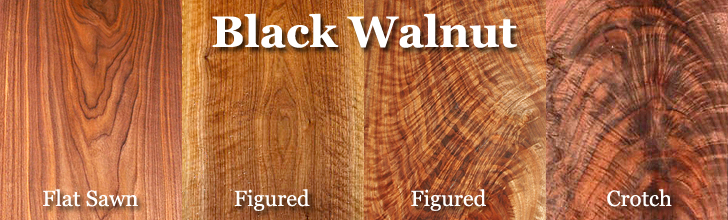
Black walnut is one of the most respected hardwoods in woodworking. Known for its rich color, smooth workability, and long-term durability. Black walnut has been a top choice for fine furniture, cabinetry, and heirloom projects for generations.
For woodworkers who value both beauty and performance, black walnut remains a gold standard. I love it so much it is part of my business name.
What Makes Black Walnut Ideal for Woodworking?
Black walnut (Juglans nigra) is a native North American hardwood prized for its balance of strength and ease of use. Unlike many dense hardwoods, black walnut cuts cleanly, holds detail well, and finishes beautifully without excessive effort.
Woodworkers often choose black walnut for its:
- Stability after drying
- Moderate hardness that’s easy on tools
- Excellent glue and joinery performance
These qualities make it suitable for both beginner and advanced woodworking projects.
The Look of Black Walnut Wood Grain
One of black walnut’s most defining features is its natural color and grain. Ranging from light brown to deep chocolate tones, black walnut wood grain often includes subtle purples or gray undertones.
The grain can be:
- Straight and uniform for clean designs
- Wavy or figured for statement pieces
- Highlighted easily with oil or clear finishes
Because of its natural depth, black walnut rarely requires stain, allowing the wood itself to be the focal point. I often look for different aspects of the grain depending on the art project I am working on.
Common Uses of Black Walnut in Woodworking
Black walnut is a versatile hardwood used across many woodworking applications, including:
- Fine furniture and heirloom pieces
- Cabinetry and built-ins
- Tabletops and desks
- Live edge slabs
- Turned objects and carvings
- Art work and frames
Its strength and visual warmth make it especially popular for projects meant to last generations.
Working With Black Walnut Lumber
Black walnut lumber machines smoothly with sharp tools and responds well to both hand tools and power tools. Tear-out is minimal when grain direction is respected, and the wood sands to a silky finish.
Tips for woodworking with black walnut:
- Use sharp blades to preserve clean edges
- Wear gloves when handling green wood to avoid staining from walnut oils
- Fill pores if aiming for a glass-smooth finish
Proper drying and acclimation help prevent warping and ensure long-term stability.
Finishing Black Walnut Wood
One of the biggest advantages of black walnut is how well it accepts finishes. Oil finishes like tung oil or Danish oil enhance the depth and contrast of the grain, while clear coats offer added protection without masking the wood’s character.
Many woodworkers prefer minimal finishes to let the natural beauty of black walnut shine through. I love Odie’s oil for all my wood projects. There are lots of options on the market today and every woodworker has their favorites.
Why Black Walnut Is So Valuable to Woodworkers
Black walnut’s value lies not just in its appearance, but in its longevity. It resists decay better than many hardwoods, ages gracefully, and develops character over time.
Furniture and woodworking projects made from black walnut are often passed down, not replaced—making it a smart investment for makers who care about craftsmanship and legacy.
It is no wonder Black Walnut has remained popular through the years.
Till next time. Elizabeth
 Diary of a Wood Artist
Leave a comment