A woodworking shop should be a place of creativity—not injury. Whether you’re a weekend hobbyist or a full-time woodworker, following proper woodshop safety practices is essential. Sharp tools, powerful machines, and airborne dust can all pose serious risks if not handled correctly. Try and make safety a routine from the very beginning so it becomes an automatic habit.
Why woodshop safety matters
Woodworking accidents often happen when safety steps are skipped or rushed. Common injuries include cuts, kickback incidents, eye injuries, and long-term respiratory issues from dust exposure. The good news is that most accidents are preventable with proper setup, protective gear, and safe habits.
It’s easy to get complacent the longer and more comfortable you are with a task. Be mindful of where you place your hands, not wearing gloves around spinning items like rotary tools and routers. (this about it like when you were a kid, did you ever get a motorized car near your hair and it wrapped your hair up in the wheel and it had to be cut out, same principle here but could potentially be much worse consequences).
Personal Protective Equipment (PPE)
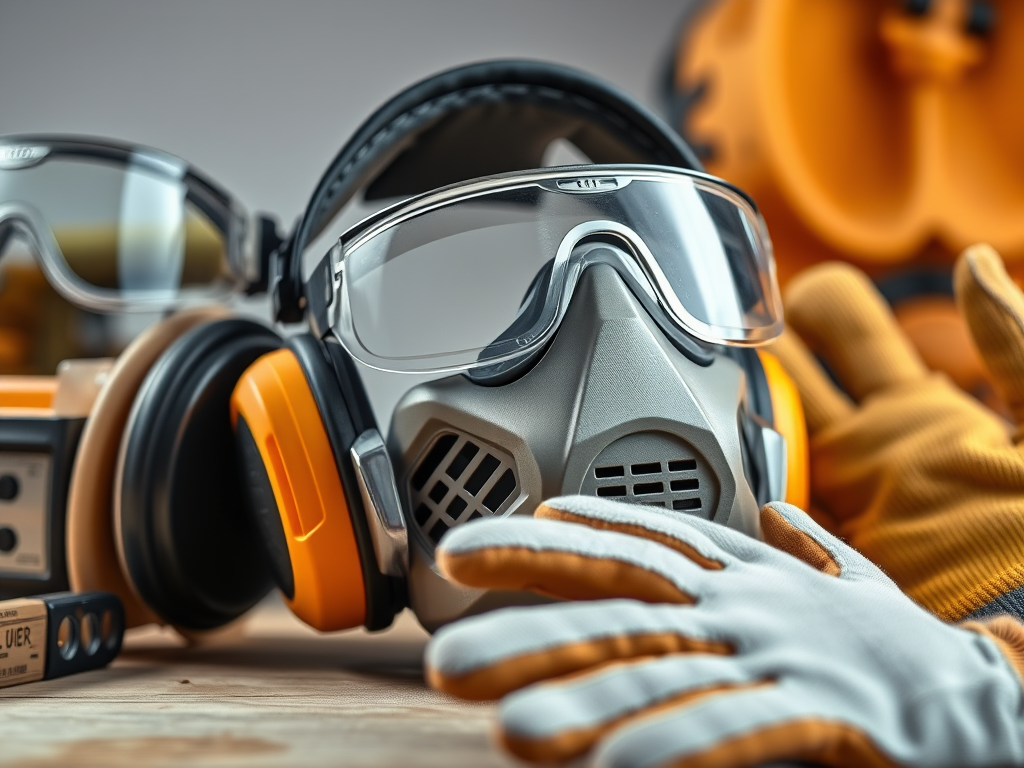
Wearing the right protective gear is your first line of defense.
Essential PPE for the woodshop:
- Safety glasses or face shields to protect against flying debris
- Hearing protection such as earmuffs or earplugs for loud machines, over the ear headphones. I often use my Beats headphones and listen to music.
- Dust masks or respirators to prevent inhalation of fine wood dust or paint fumes
- Work gloves for material handling (never around spinning blades)
- Proper clothing—avoid loose sleeves, jewelry, or dangling strings
Tool and Machine Safety
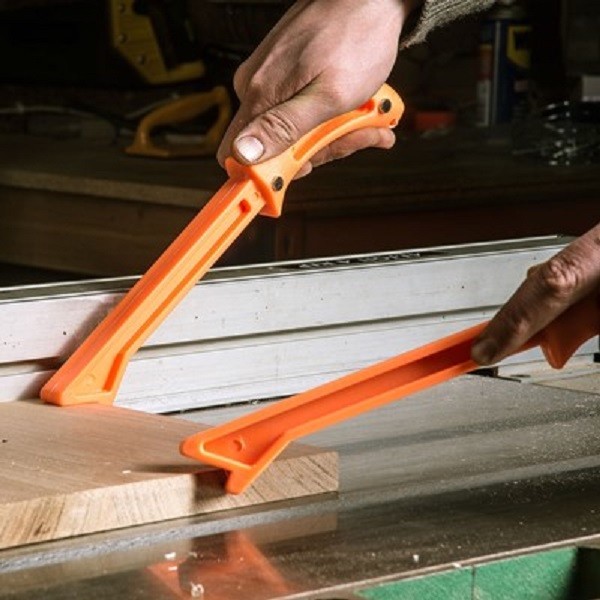
Power tools demand respect and attention.
Key machine safety tips:
- Always read and follow the manufacturer’s instructions
- Keep blades sharp—dull blades cause kickback and binding
- Use push sticks, featherboards, and guards whenever possible
- Never disable safety features
- Disconnect power before changing blades or bits
Never rush a cut. If something feels unsafe, stop and reassess.
I feel like I could go one forever about safety because it is so important. So in other posts I will dive deeper into some topics and talk about some of the different options out there. Some I like and some that maybe didn’t work as well as I hoped.
Final Thoughts on Woodshop Safety
Woodshop safety isn’t about fear—it’s about respect. Respect for your tools, your materials, and yourself. By wearing proper PPE, maintaining your tools, organizing your shop, and building safe habits, you create a workspace where creativity and craftsmanship can thrive without unnecessary risk.
A safe shop is a productive shop—and it ensures you’ll be woodworking for years to come.
Till next time. Be safe.
Elizabeth
 Diary of a Wood Artist
Leave a comment